
Interior design
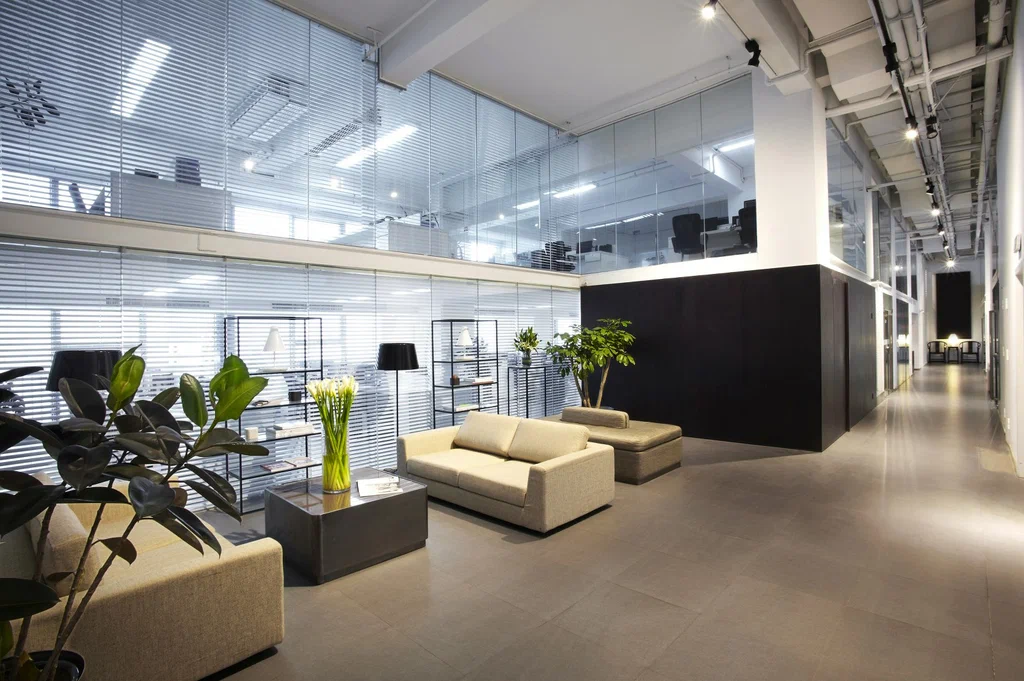
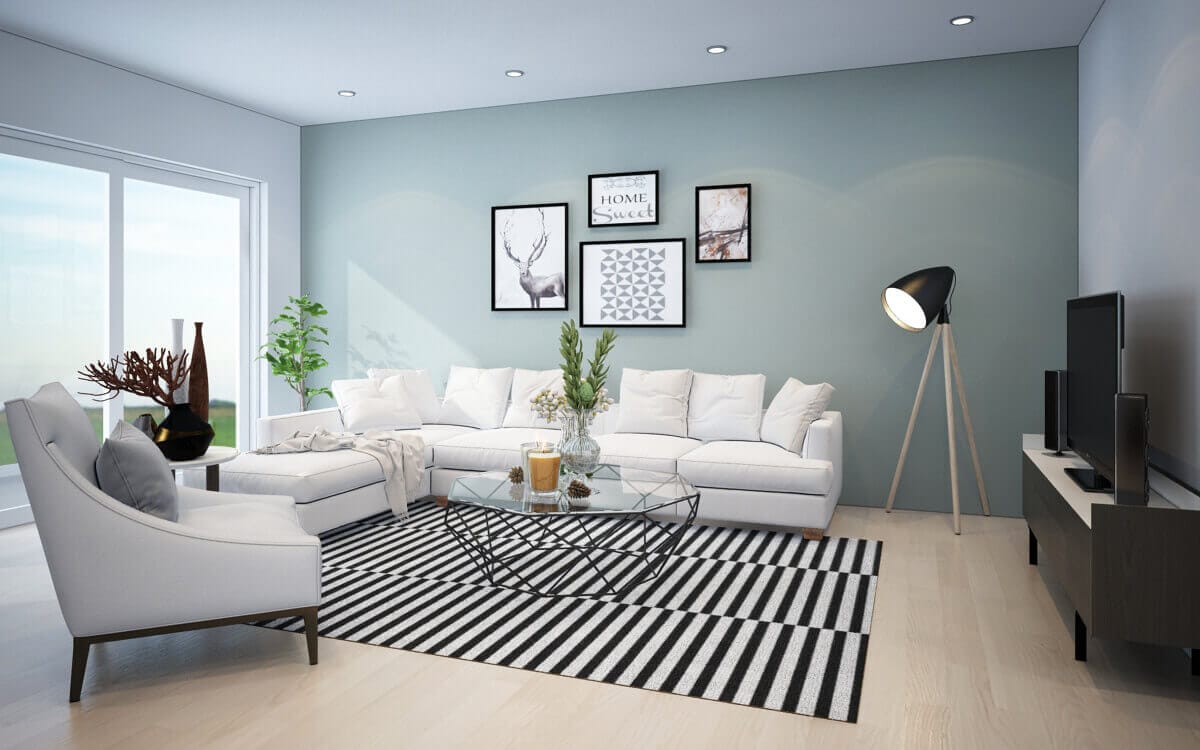
Interior design is the art and science of enhancing the interior of a building to create a more aesthetically pleasing, functional, and comfortable environment. Interior designers work with spaces in both residential and commercial settings, focusing on aspects such as layout, furniture selection, color schemes, lighting, materials, and overall ambiance to meet the needs and preferences of the occupants.
Project Values
Interior design can influence mood, behavior, and well-being, making it a crucial part of any space.
- Space Planning: The foundation of interior design is creating an efficient layout. This involves organizing and utilizing space effectively, ensuring that every area serves its intended function while maintaining a comfortable flow of movement.
- Color Scheme: Color is one of the most influential elements in design. It can set the tone of a room, evoke emotions, and create harmony. Interior designers carefully select color palettes for walls, furniture, and décor to complement the space’s purpose and style.
- Lighting: Proper lighting is essential for both functionality and ambiance. Interior designers consider natural light, artificial lighting, and the use of different light sources (ambient, task, accent) to create a balanced and inviting atmosphere.
- Furniture and Furnishings: Choosing the right furniture and accessories, such as sofas, chairs, tables, rugs, and curtains, is crucial to the overall design. It combines both aesthetic appeal and practicality, ensuring comfort and usability.
- Materials and Textures: The use of different materials (wood, metal, glass, fabric, etc.) and textures (smooth, rough, soft, hard) can dramatically impact a space's feel. Designers select materials that align with the overall style and purpose of the room.
- Decorative Elements: Decorative items such as artwork, sculptures, plants, and textiles (pillows, throws, curtains) add personality and detail, enhancing the visual appeal of the space.
- Style and Theme: Every interior design project has a theme or style, which could range from modern, traditional, minimalist, industrial, eclectic, bohemian, or rustic. The designer will ensure that all elements work cohesively within the chosen style.
Interior design is a blend of art, functionality, and psychology that creates environments tailored to the occupants’ needs. Whether residential or commercial, it transforms spaces into places that are not only visually pleasing but also practical and comfortable to live, work, or play in. Through thoughtful design, interior designers improve the atmosphere, enhance functionality, and ultimately enrich the experience of those who inhabit the space.
Project Challanges